Question the assumption.
A convincing explanation is a starting point. I want to know what supports it, what’s missing, and what would change the conclusion.
A LITTLE INTRODUCTION
Still learning.
Quietly moving forward.
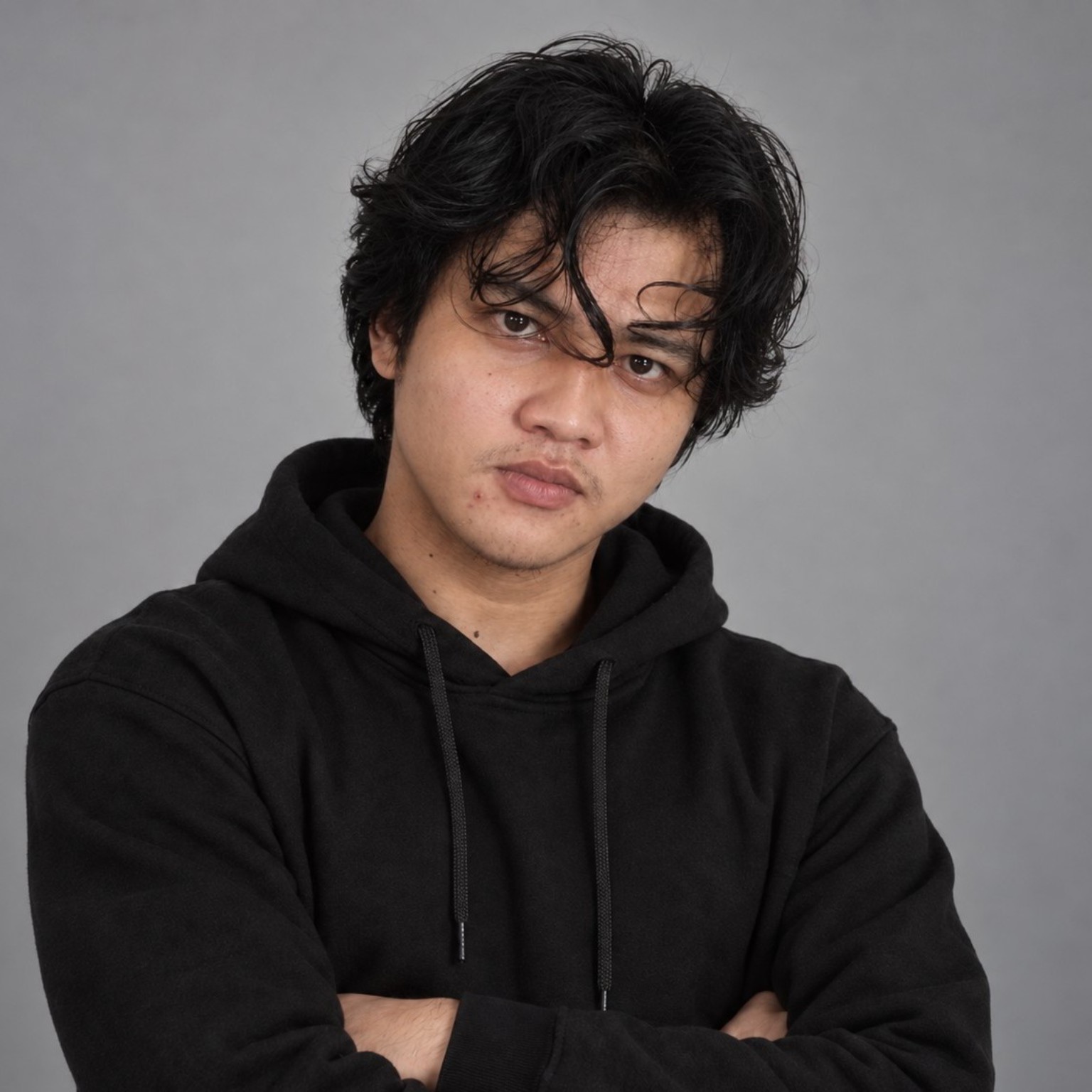
My curiosity began with understanding how things work. Over time, it led me toward economics, data, and the ways people make decisions.
Along the way, I’ve learned to question my assumptions, consider the consequences, and leave room to change my mind.
Here, I share a little of what I’m exploring.
The rest stays personal.
A convincing explanation is a starting point. I want to know what supports it, what’s missing, and what would change the conclusion.
Before looking at what might go right, I try to understand what could go wrong—and whether the downside is something I can accept.
I prefer comparing scenarios to committing too early to a single story. New information should have somewhere to go.
A probability experiment.
A window into the markets I follow.
Markets, simulated paths, a sector heatmap and liquidation sources. Open the terminal to explore one view at a time.
Open TerminalShort reflections on uncertainty,
evidence, and steady progress.
A useful forecast leaves space for the world to disagree.
It’s easy to become attached to a story once the pieces seem to fit. The more useful question is what would make that story stop fitting.
I try to keep several possibilities in view, along with the assumptions each one needs. The point is to prepare for different outcomes and notice when the evidence changes.
A scenario earns its place by helping me think clearly. It doesn’t become certain because I’ve spent a long time studying it.
The figure is only the beginning of the question.
Before drawing a conclusion from a number, I want to know what it measures, which period it covers, and what it’s being compared with.
A large change can look very different after considering the starting point, the denominator, or the quality of the source.
Good analysis takes patience. Sometimes the most honest conclusion is that there isn’t enough evidence yet.
Some things need time before they need an audience.
I’m comfortable keeping parts of the process to myself. Learning, revising, and trying again don’t always need to become an announcement.
I like having space to test an idea without immediately turning it into a claim about who I am.
This page is a small window into that process. Enough to share something useful, with room left for a private life.
Different moments.
The same person.
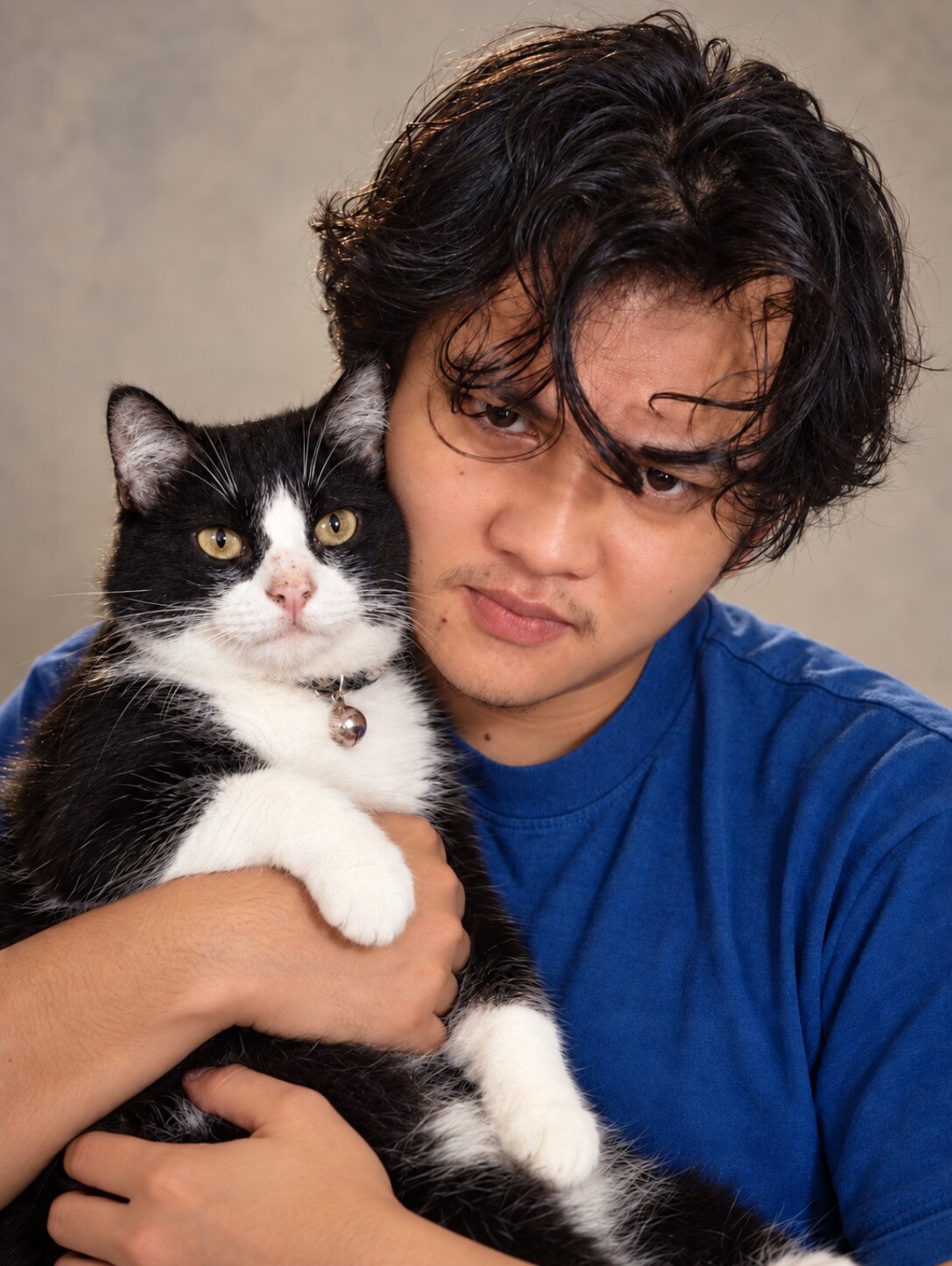
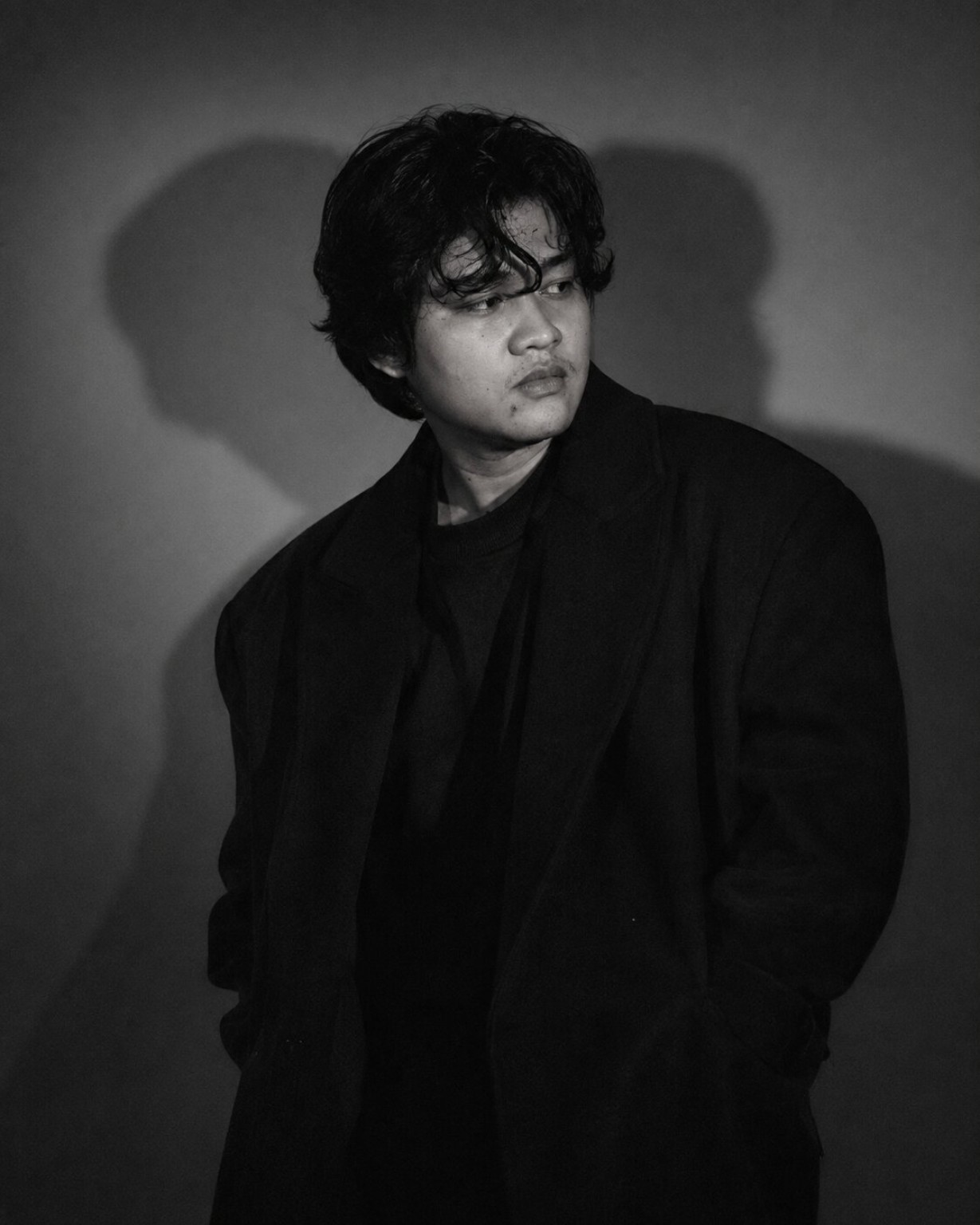
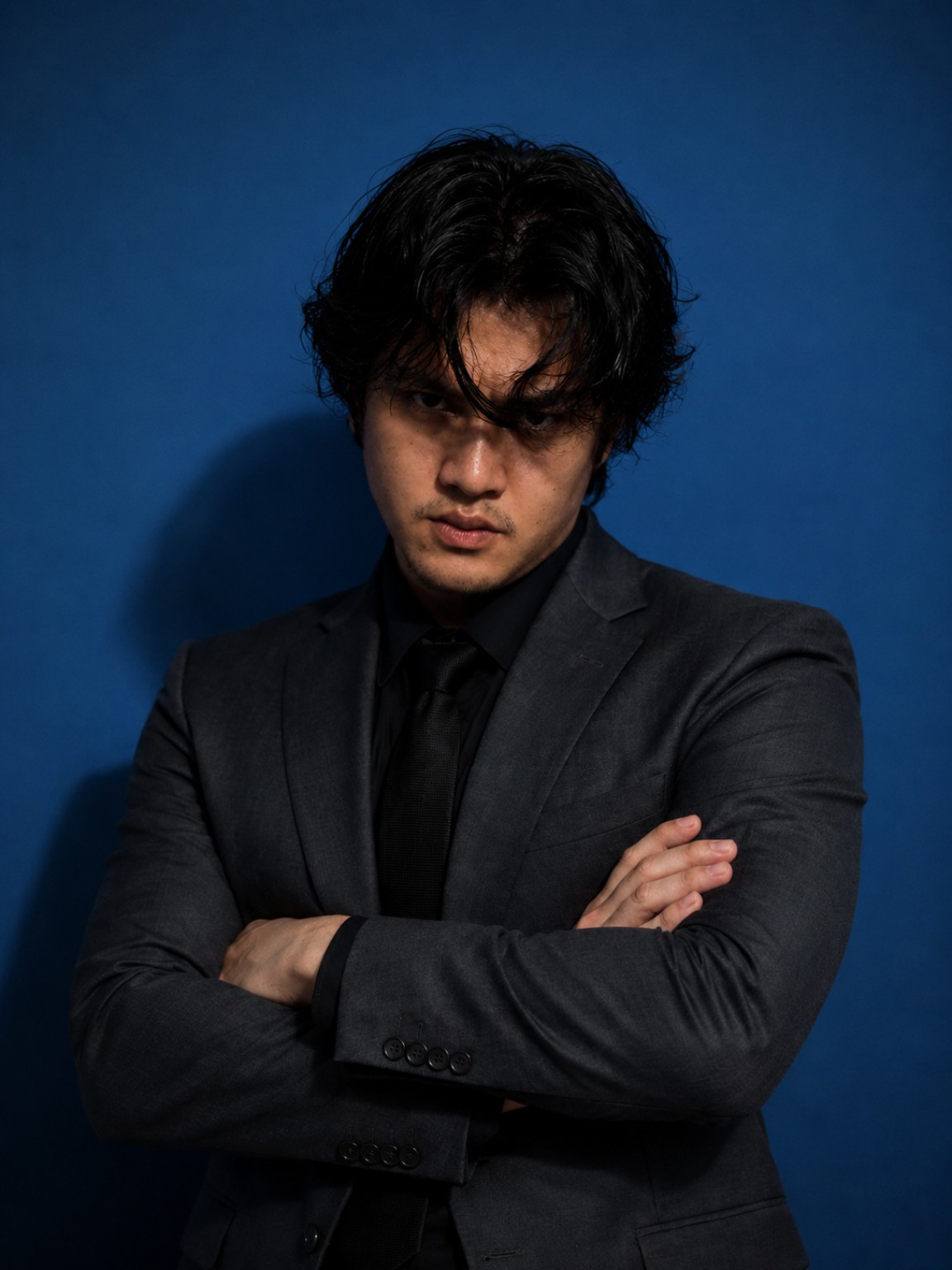


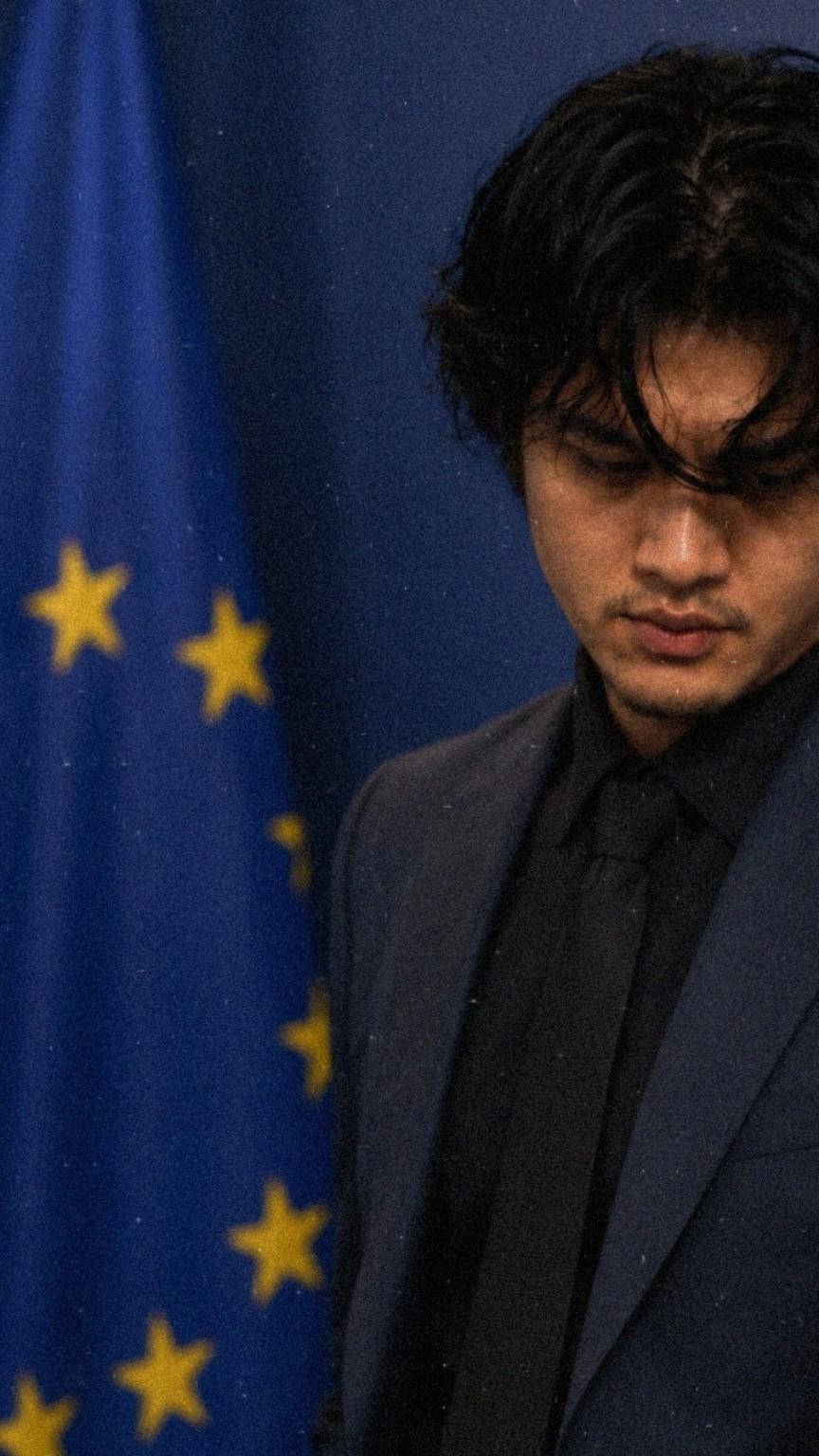

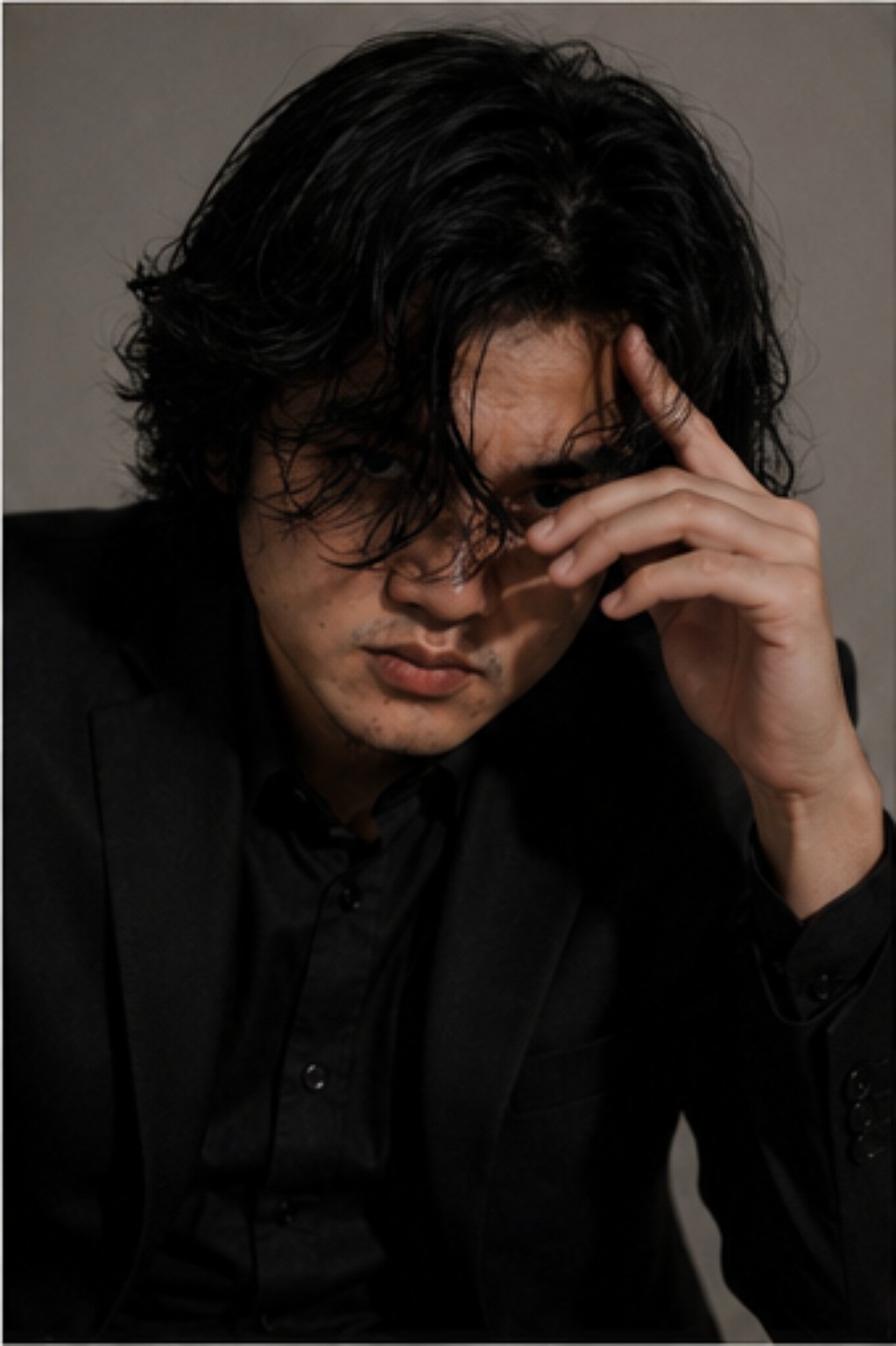
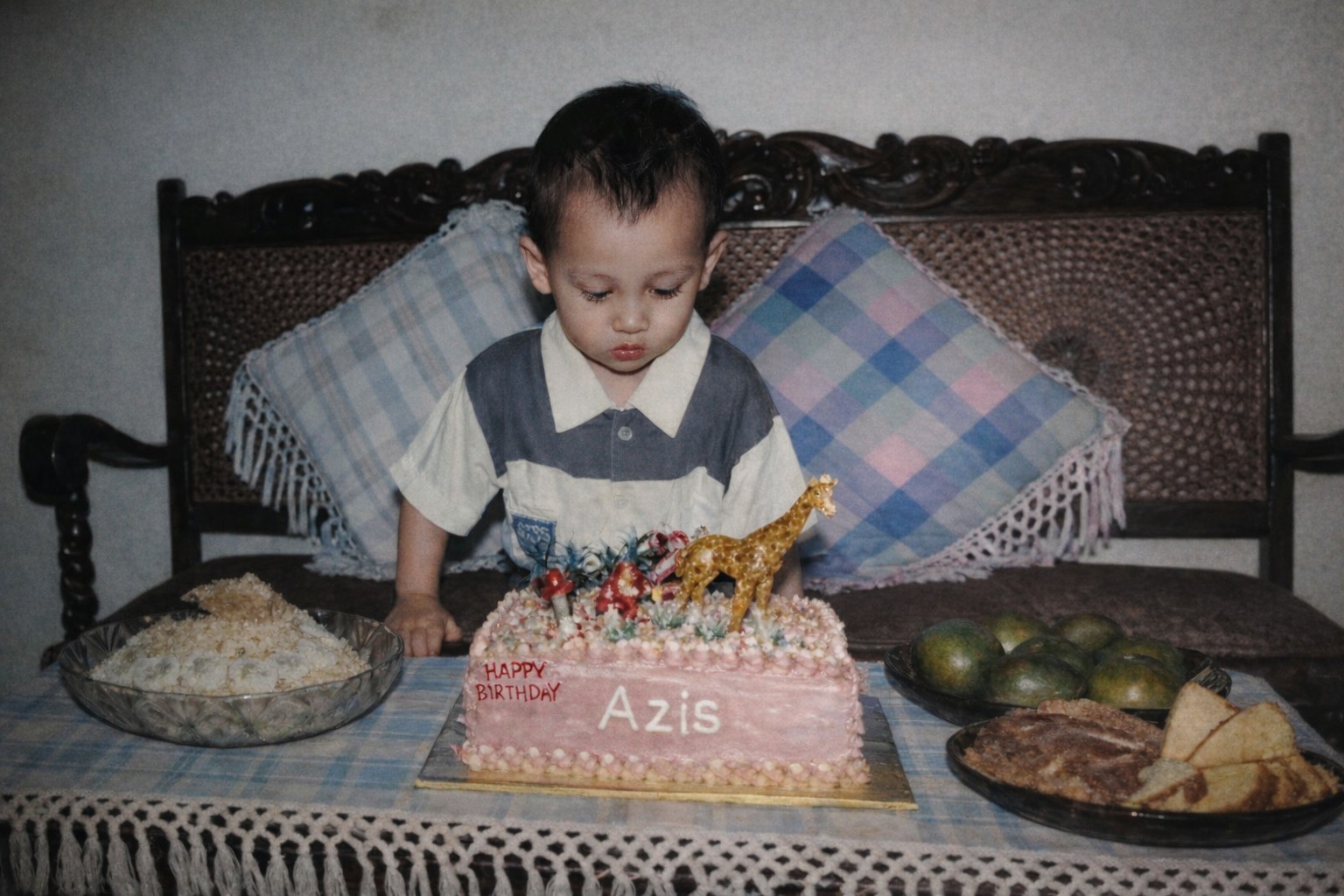


I’m also exploring how technology and visual interaction can make an idea feel more tangible.
This small experiment plays with depth, light, and movement.
Drag or use arrow keys to rotate. Pause to look closer.This device can’t show the 3D experiment.
The rest of the page is ready to explore.
AN OPEN END
More to learn. More to reconsider.
Back to the beginning